For short-season vegetable gardens in the northern US

A month-by-month garden plan for short northern summers

Nonna Rosa's Garden Year walks you through a whole year in a northern vegetable garden. Plan in January, start seeds in February and March, beat the late frost in May, and fill the pantry in August.

Fewer frozen peppers in May, and more red tomatoes before the September frost.

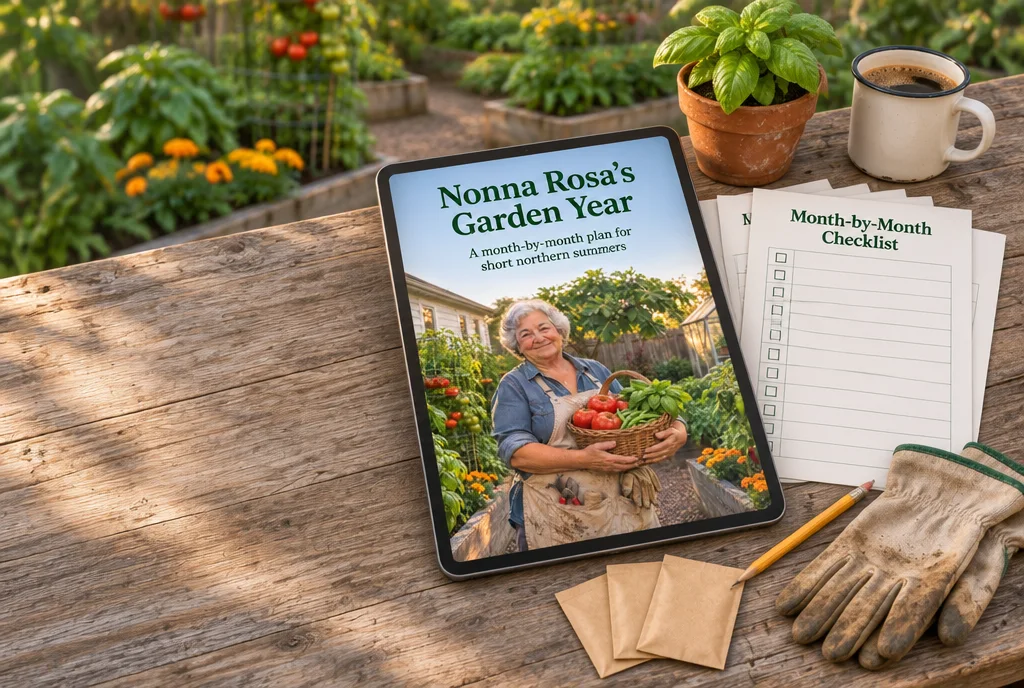
Cover of Nonna Rosa's Garden Year

$69

  • About 200 pages (PDF ebook)
  • 12 printable planning sheets
  • One-time payment, no subscription

You pay on a secure page run by Stripe, a large payment company, then come straight back here to download. 30-day money-back promise.

  • Apple Pay
  • Google Pay
  • Visa
  • Mastercard
  • American Express
Nonna Rosa's Garden Year open on a tablet on a wooden garden table, next to printed planning sheets, gloves and a basil seedling
  • Timed from your own frost datesEvery job is counted in weeks from your last spring frost and first fall frost, so the plan fits your town.
  • Written for short seasonsRoughly USDA zones 3 to 6, from Maine to Montana.
  • Nonna's 30-day promiseIf it isn't right for your garden, you get every cent back.

About 200 pages

15 chapters

40 vegetables and herbs

12 printable sheets

Northern gardens play by different rules

Up here, the calendar lies. A warm week in April tempts you to plant. Then a clear, still night in May takes the peppers. By the time the tomatoes finally turn red, the first fall frost is already on its way.

Most garden books are written for a longer season. They tell you what to grow. They don't tell you when, in a place where summer is short and the weather changes its mind.

This book is built around one idea: your frost dates are the boss. Every chapter tells you what to do, and when, counted from your own last spring frost and first fall frost.

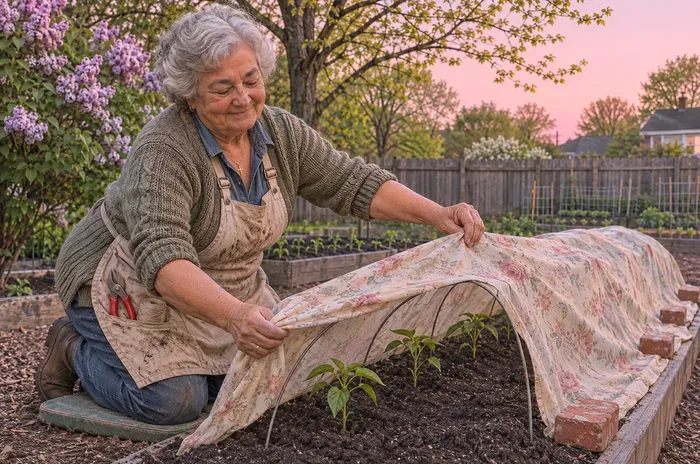
Nonna Rosa covering young pepper plants with an old flowered bedsheet at dusk
In the North, you don't garden by the calendar. You garden by the frost. From the book

Your garden year, frost to frost

The book follows the year in order, so you always know what each month is for. Here is the short version for a garden whose last spring frost comes around May 15 and first fall frost around September 20.

Frost later than May 15? Many northern gardens get frost until late May or June. Move every spring job later by the same number of weeks. Chapter 1 shows you how to find your own dates.

What's inside

A short "Start here" chapter, then 14 chapters that follow the garden year in order, from the winter plan to putting the beds to bed.

  1. Start here

    How the book works

    A simple first-year garden in two 4×8 beds, and the tools you actually need.
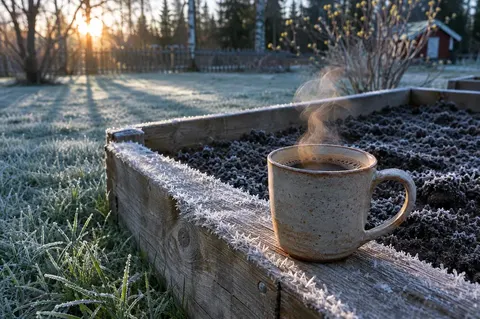
  2. Chapter 1

    Your frost date is the boss

    Find your dates and count every job from them.
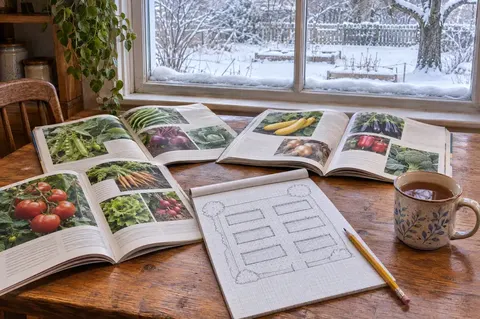
  3. Chapter 2

    Plan the garden in winter

    Sun, space, and how much to grow for your household.
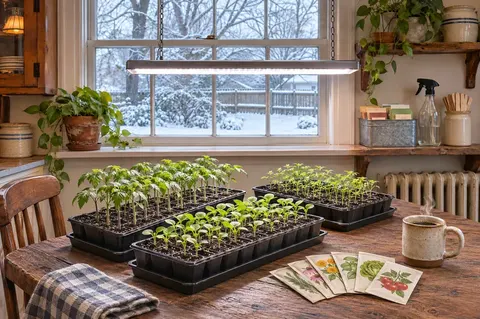
  4. Chapter 3

    Starting seeds indoors

    Lights, trays and a weeks-before-frost table.
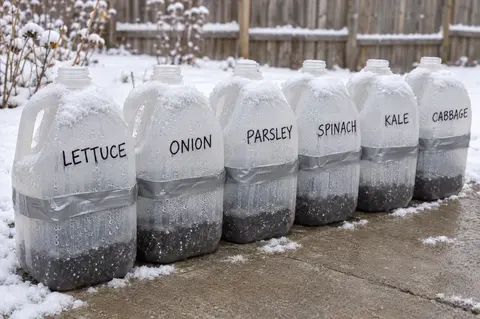
  5. Chapter 4

    Winter sowing in milk jugs

    Start hardy seeds outdoors, in the snow.
  6. Chapter 5

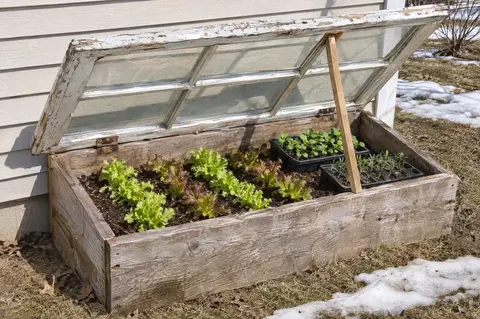
    Stretching the season

    Row covers, cold frames, milk jugs and water-filled plant protectors.
  7. Chapter 6

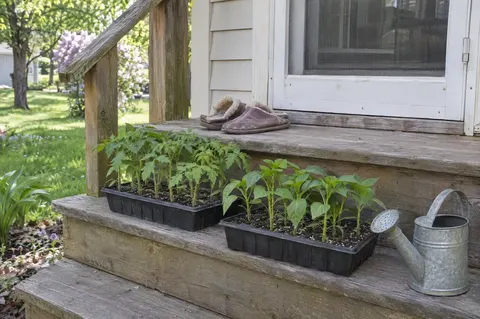
    Hardening off and planting day

    A day-by-day plan to move plants outside safely.
  8. Chapter 7

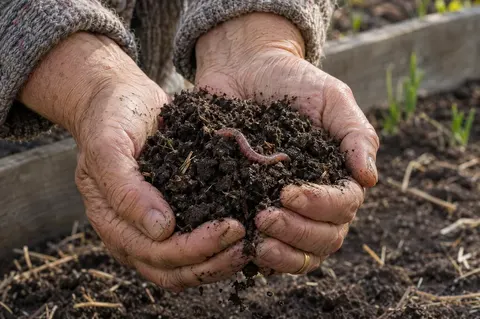
    Soil without fuss

    A jar test, compost and a soil test, in plain words.
  9. Chapter 8

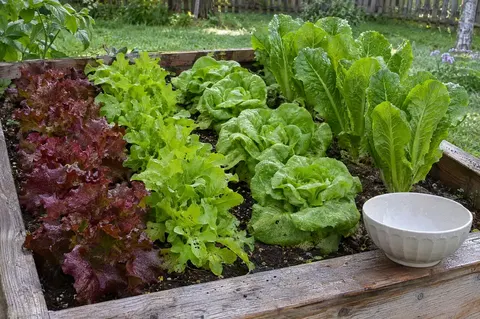
    Crop by crop

    8 main crops on 5–6 pages each, and 32 more vegetables and herbs.
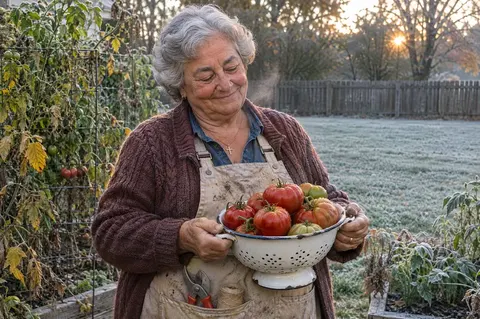
  10. Chapter 9

    Tomatoes, the short-season way

    The right variety, and red tomatoes before frost.
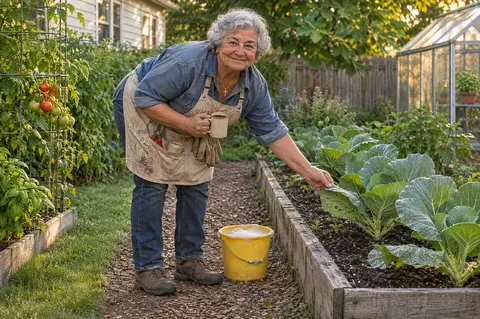
  11. Chapter 10

    Pests and diseases

    A picture guide: what you see, what it is, what to do first.
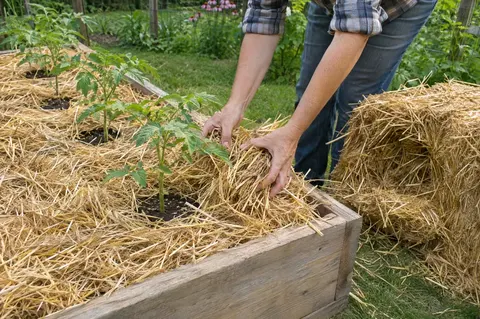
  12. Chapter 11

    Summer care and a second planting

    Water, mulch, weeds, and a fall crop.
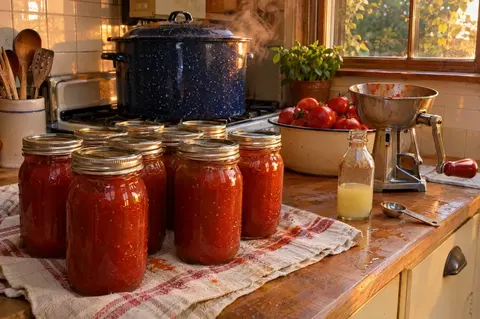
  13. Chapter 12

    Putting up the harvest

    Freezing, drying, fridge pickles, cold storage, and where to find tested canning recipes.
  14. Chapter 13

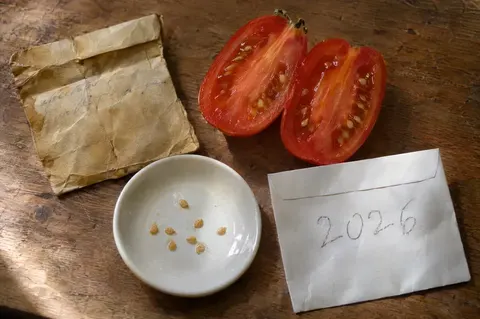
    Saving seeds

    From easy beans and tomatoes to the harder ones.
  15. Chapter 14

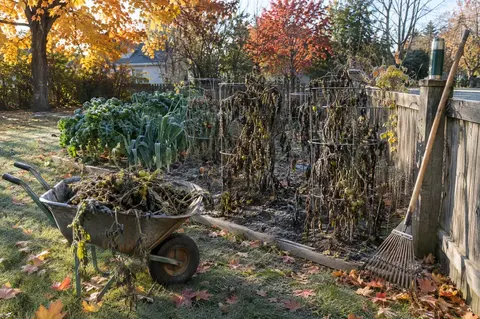
    Putting the garden to bed

    Fall cleanup, garlic, cover crops and next year's notes.

All 40 vegetables and herbs

8 main crops, 5–6 pages each: tomatoes, peppers, cucumbers, zucchini and summer squash, beans, lettuce, onions, potatoes.

32 more, 1–2 pages each: broccoli, cauliflower, cabbage, Brussels sprouts, kohlrabi, leeks, celery, eggplant, peas, spinach, kale, Swiss chard, arugula and Asian greens, radishes, carrots, beets, turnips, parsnips, garlic, asparagus, rhubarb, strawberries, sweet corn, sweet potatoes, winter squash and pumpkins, melons, basil, parsley, cilantro, dill, chives, and thyme, oregano and sage.

Every crop page has the same parts, so you can find things fast: when to start, when to plant, how far apart, how much per person, what goes wrong, and when to pick.
Numbers you can plant by

No vague tips. When the book tells you to start seeds, it tells you exactly how many weeks before your last frost. This table is from Chapter 3.

Try it with your own garden: pick your last spring frost date, and the table shows when to start each crop. In the book, the seed-starting countdown sheet does this for you on paper.

Not sure of your date? Chapter 1 and the free Frost-Date Starter Sheet show you how to find it.

Chapter 3: Starting seeds indoors

How many weeks before your last spring frost to start seeds indoors

Your last spring frost
CropWeeks before last frostStart indoors
Leeks14–15
Celery12–13
Onions, from seed10–12
Peppers, eggplant8–9
Herbs6–8
Tomatoes5–6
Broccoli, cabbage, cauliflower, kohlrabi4–6
Head lettuce, squashAbout 4
Melons2–4

Source: University of Minnesota Extension crop pages. Always check the seed packet for your variety.

Everything in the download

The book

About 200 pages, US letter size, in bigger-than-paperback type (about 14 pt). Read it on a tablet or computer, or print the pages you need.

12 printable planning sheets

  1. Your frost dates
  2. Seed-starting countdown
  3. Garden plan grid
  4. Hardening-off and planting-day checklist
  5. Fall-sowing calculator
  6. Side-dressing card (when to feed plants in summer)
  7. Garden-walk pest card
  8. Putting-up safety card (freezing, drying, canning)
  9. Cold-storage chart
  10. Seed labels and seed inventory
  11. Year in review
  12. Month-by-month checklist

Made to print well in black and white on regular letter paper.

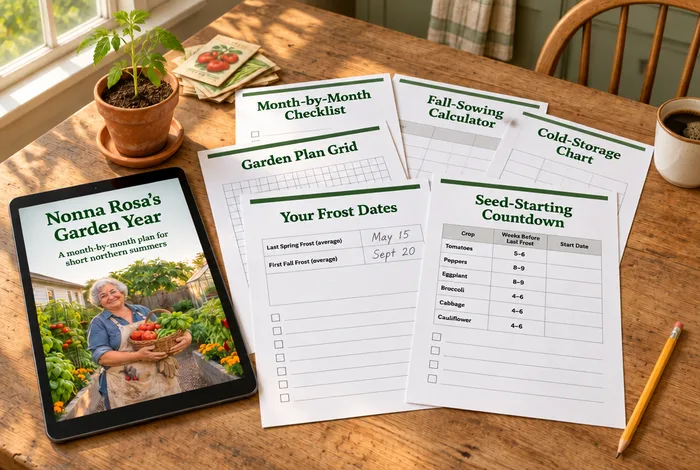
The printable planning sheets on a kitchen table – Your Frost Dates, Seed-Starting Countdown, Garden Plan Grid, Month-by-Month Checklist and more – next to the book on a tablet

$69

One payment. Use it every year: the plan moves with your frost dates.

Instant download. No subscription. 30-day money-back promise.

  • Apple Pay
  • Google Pay
  • Visa
  • Mastercard
  • American Express

Nonna's 30-day promise

Read it. Use it. If it isn't right for your garden, you get every cent back.

Email [email protected] within 30 days of buying, and you'll get a full refund to the card or wallet you paid with. No forms, no questions, nothing to send back.

This promise is in addition to your legal rights.

How buying works

  1. Click "Get the book." A secure payment page run by Stripe opens. Pay with your card, Apple Pay or Google Pay. No account or password needed. It may offer to save your details with "Link". That's optional, and you can skip it.
  2. Download right away. You come straight back to this site and see a big download button. The book opens in your browser.
  3. Keep the email. We also email you the download link, so you can get the book again whenever you need it.

Questions before you buy? Email [email protected]. A real person answers, usually within one business day.

Is this book right for your garden?

It's a good fit if

  • You garden in the northern US, where spring frost hangs on and fall comes early
  • You're new to vegetables, or you've grown for years and want a better plan
  • You have a small or medium garden, a few raised beds or a backyard plot
  • You like clear steps, tables and checklists more than long theory

It's probably not for you if

  • You garden in the South or a warm, frost-free climate
  • You want a printed book in the mail. This is a PDF you can print at home
  • You want a canning recipe book. This book sends you to tested recipes instead of printing its own

What makes this book different

Timed for the North
Every job is counted from your own frost dates, not a calendar written for a longer season.
Numbers, not vague tips
Weeks to start seeds, spacing, how much to plant per person, days to harvest.
The same layout on every crop page
So you can find what you need in seconds.
A picture guide to pests and diseases
What to do first, and why spraying comes last.
Careful about preserving
No made-up canning times. You're sent to tested recipes.
Easy to read
Bigger-than-paperback type, and printable sheets made to work in black and white.

Built on university and government sources

The how-to comes from university extension services. These are the free public gardening programs run by universities like Minnesota, Purdue, Iowa State and Michigan State. The book also draws on the National Weather Service, the USDA and the National Center for Home Food Preservation.

Pages with growing advice list their sources, so you can look anything up yourself. These universities and agencies have not reviewed or endorsed the book.

The book does not promise bigger harvests. Gardens differ. What it gives you is a clear plan, the right timing for a short season, and fewer surprises.

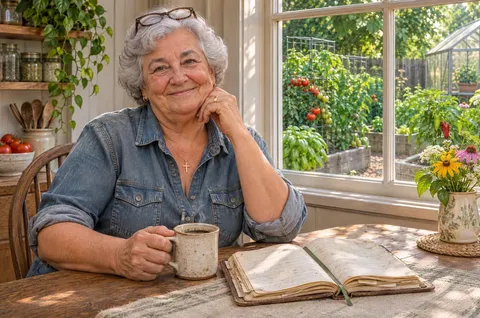
Nonna Rosa at her kitchen table with coffee and her garden notebook

About Nonna Rosa

Nonna Rosa is the storyteller of this book. Her stories about late frosts, too much zucchini and sauce week with the grandchildren make a year of garden work easier to follow and nicer to read.

The growing advice itself comes from the university and government sources listed in the book.

Nonna Rosa's Garden Year is published by Nonna Rosa Publishing, a small independent publisher.

Questions

Is this a printed book?

No. It's a PDF ebook. You download it right after you pay. You can read it on a screen or print it at home.

Is this a subscription?

No. You pay once and the book is yours to keep.

How do I get it?

Right after you pay, you come back to this site and see a download button. No account or password needed. You'll also get an email with your download link. Keep that email so you can download the book again. If you don't see it within 10 minutes, check your spam or promotions folder.

How do I keep it on my iPad or iPhone?

Tap the download button. When the book opens, tap the Share button (the square with an arrow) and choose Books. It stays in your Books app, even without internet. On a computer, click Save or Download.

What will I see on my card statement?

Payment is handled by Stripe through its Link service, so your statement shows "LINK.COM* NONNAROSA" and your receipt comes from Link. That charge is for this book. Stripe runs payments for millions of online shops. We never see your card number.

Can I print it?

Yes. Pages are standard US letter size (8.5 × 11 inches). The planning sheets print well in black and white.

Can I print pages for my household?

Yes. Print as many pages as you like for the people you live with.

Is the text big enough?

The body text is about 14 pt, bigger than most paperbacks, and you can zoom in on any page on a tablet or computer.

What can I read it on?

Any computer, iPad or other tablet, or phone. A tablet or computer works best for the large pages.

Which areas is it for?

Short-season gardens in the northern US, roughly USDA zones 3 to 6. All the timing is counted from your own frost dates, so the book shows you how to find them for your town.

I garden in the South. Is it for me?

Probably not yet. The timing is built for short northern seasons. A Southern edition is in the works. Leave your email and we'll tell you when it's ready.

Does it include canning recipes?

No processing times or pressures are printed. Chapter 12 explains which foods can be water-bath canned, frozen, dried or stored, and sends you to tested recipes from the National Center for Home Food Preservation.

How do refunds work?

Email [email protected] within 30 days of buying. You'll get a full refund to the card or wallet you paid with, usually within 5–10 business days.

Who do I contact with a question?

[email protected]. A real person answers, usually within one business day.

Start your garden year

About 200 pages, 15 chapters, 40 vegetables and herbs, and 12 printable planning sheets. Instant download, and 30 days to decide.

$69

One-time payment. Any sales tax is shown on the payment page before you pay.

  • Apple Pay
  • Google Pay
  • Visa
  • Mastercard
  • American Express

Not ready yet? Start with the free Frost-Date Starter Sheet

One page that helps you find your last spring frost and first fall frost, and shows what to do six weeks before each.